Fact-checked by Bilal Al-Khaldi, Recycling & Sustainable Packaging Specialist
The short answer: Yes, bubble wrap is recyclable — but you absolutely cannot toss it in your curbside recycling bin. It’s made from LDPE plastic (Plastic #4), and those soft, stretchy sheets are the enemy of standard sorting machines at materials recovery facilities. They tangle in the machinery, causing expensive shutdowns. The good news? Recycling bubble wrap correctly is easier than you think. Let me walk you through the whole thing.
Table of Contents
- The “Pop Test” — How to Identify Your Bubble Wrap
- Step-by-Step: How to Recycle Bubble Wrap the Right Way
- Where to Find a Bubble Wrap Drop-Off Near You
- Creative Ways to Reuse It First
- Eco-Friendly Alternatives (The Future of Packaging)
- Frequently Asked Questions
1. The “Pop Test” — Identifying Your Bubble Wrap {#pop-test}
Before anything else, you need to figure out what kind of bubble wrap you actually have. Not all of it is recyclable, so here’s a quick two-step check.
Step 1: Look for the #4 LDPE symbol. Flip the bubble wrap over and look for the resin identification code — a number inside a triangle of chasing arrows. If it says #4 (LDPE), you’re in business. That’s the recyclable plastic film we’re talking about.
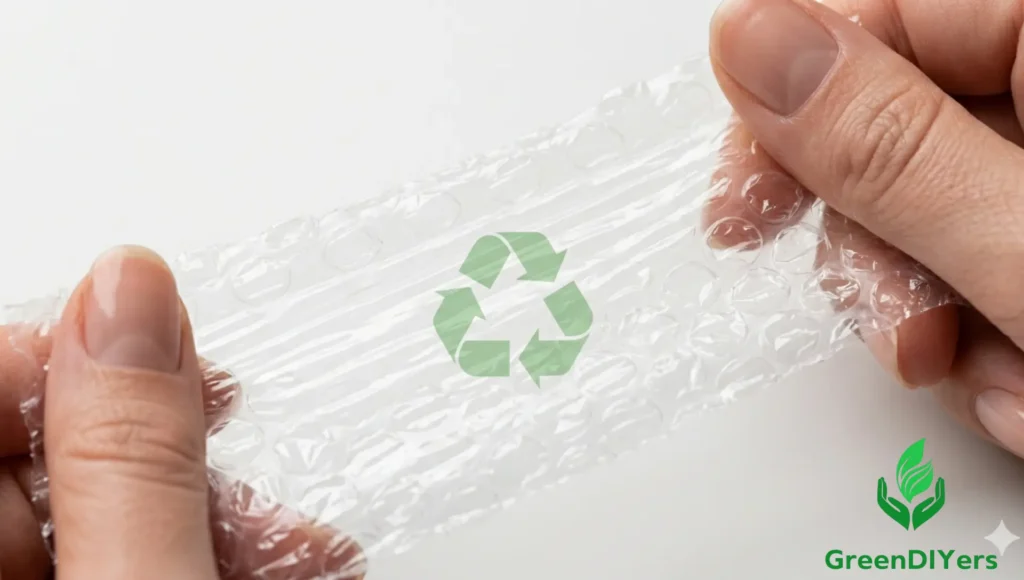
Step 2: Do the stretch test. Pull a corner of the wrap with your thumb. If it stretches and gives, it’s LDPE plastic film — recyclable. If it crinkles, tears, or sounds like a chip bag? That’s likely metalized or foil-based film. Not recyclable through the standard film collection system, unfortunately.
Here’s a quick visual guide to remember:
| Type | Feels Like | Recyclable? |
|---|---|---|
| Standard bubble wrap (LDPE #4) | Soft, stretchy | ✅ Yes — store drop-off |
| Metalized/foil bubble wrap | Crinkly, stiff | ❌ No — general waste |
| Paper bubble wrap (hex-wrap) | Papery crunch | ✅ Yes — curbside paper bin |
2. Step-by-Step: How to Recycle Bubble Wrap the Right Way {#how-to-recycle}
Here’s exactly what to do once you’ve confirmed your bubble wrap is recyclable LDPE film.
Step 1: Pop the bubbles. I know, I know — it’s weirdly satisfying. But there’s also a practical reason: popped bubble wrap takes up far less space during transport. Less volume = less fuel = better for the planet.
Step 2: Remove all tape and labels. This step is often overlooked, and it’s crucial. Contamination from sticky tape or paper labels is one of the main reasons recyclable material ends up in landfill anyway. Peel everything off before you drop it off.
Step 3: Bundle it with other plastic films. Bubble wrap recycles best when grouped with similar materials — plastic shopping bags, bread bags, cereal bag liners, and dry cleaning bags. They all go in the same drop-off bin.
Step 4: Find a store drop-off bin and bring it in. More on where to find those in the next section.
3. Where to Find a Bubble Wrap Drop-Off Near You {#where-to-drop-off}
This is the part most people get stuck on. But it’s actually much simpler than it seems.
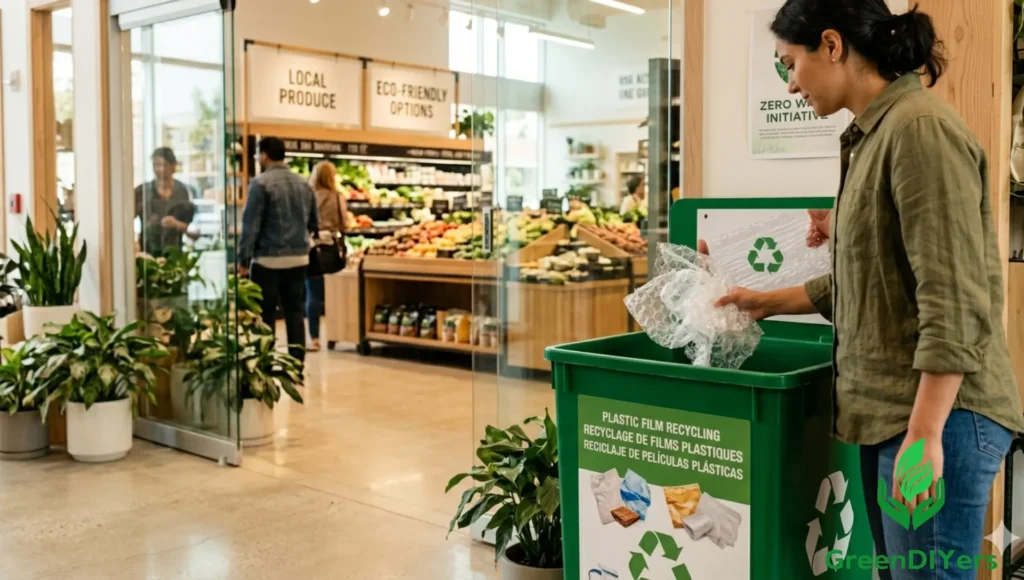
Start at the grocery store. Most major retailers that accept plastic shopping bags also accept bubble wrap in the same bin. Here are some stores that typically have plastic film drop-off bins at the entrance:
- Target
- Walmart
- Whole Foods
- Kroger
- Safeway / Albertsons
Pro tip: If your local grocery store accepts plastic shopping bags, there’s an excellent chance they’ll take your bubble wrap too. The bins aren’t always labeled “bubble wrap,” but LDPE #4 film is the same material category.
Use these online tools to find a drop-off point near you:
- PlasticFilmRecycling.org — Type in your zip code and find the nearest film recycling location.
- How2Recycle.info — A comprehensive, retailer-supported database for all plastic film types.
4. Creative Ways to Reuse Bubble Wrap First {#reuse-ideas}
Before you recycle it, consider giving your bubble wrap a second life. Reuse is always higher up the sustainability ladder than recycling.
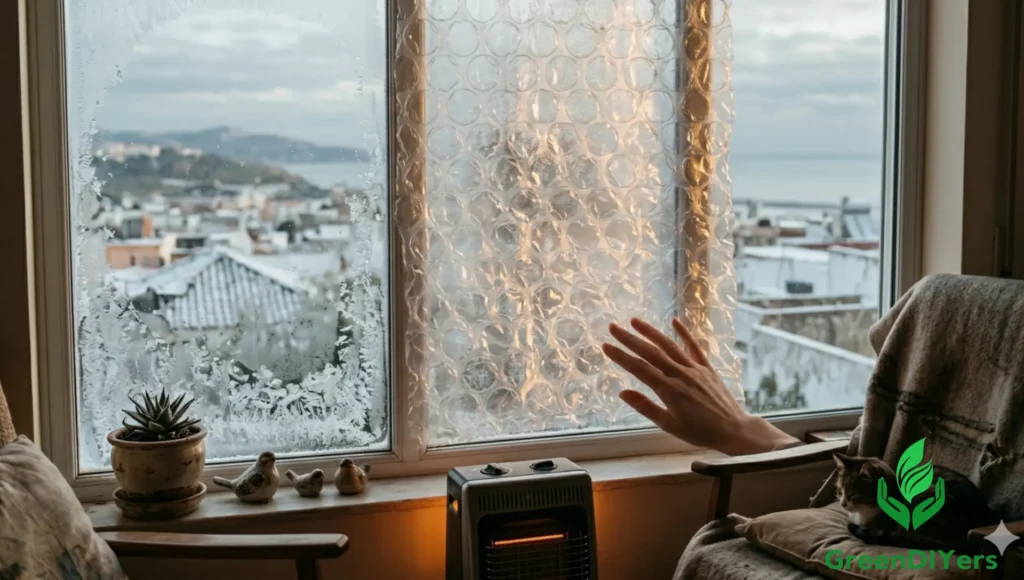
Window insulation in winter. Cut sheets of bubble wrap to size and press them (bubble-side in) against single-pane windows. It traps a layer of air and can noticeably reduce heat loss. A quirky hack that actually works.
Frost protection for plants. Gardeners swear by this. Wrap bubble wrap around potted plants or tender shrubs when frost is forecast. It’s an effective insulator and way cheaper than horticultural fleece.
Pass it along. Moving house? Shipping something fragile? Post it in a local neighborhood group or leave it outside your building. Someone will grab it within hours. That’s circular economy thinking in action — and zero effort from you.
Knee and wrist pad replacement. Wrap it around your knees for gardening or your wrists for DIY projects. Unorthodox? Yes. Effective? Absolutely.
5. Eco-Friendly Alternatives — The Future of Packaging {#alternatives}
Here’s something worth knowing: the packaging industry is evolving fast. If you’re a small business owner, online seller, or just someone who ships a lot of packages, switching to these alternatives is one of the most impactful moves you can make in .
Paper hex-wrap (paper bubble wrap). This is the one gaining the most traction right now. Made from recycled kraft paper, it creates a honeycomb-like cushioning layer that’s fully curbside recyclable and biodegradable. Major e-commerce players are already switching to it. Search terms like “paper bubble wrap” and “biodegradable film” are spiking — because people are actively looking for this stuff.
Biodegradable air pillows. Similar to the plastic air pillows that fill Amazon boxes, but made from compostable materials. They provide the same void-fill protection with a much shorter environmental footprint.
Mushroom packaging (mycelium packaging). This one sounds like science fiction but it’s real. Agricultural waste is molded into protective shapes using mushroom root networks, then left to decompose naturally after use. Companies like Ecovative Design have been producing it commercially for years.
Recycled paper fills. Crinkle paper, shredded cardboard, and molded pulp trays are all curbside recyclable and increasingly affordable. They’re not right for every application, but they work well for lighter, less fragile items.
6. Frequently Asked Questions {#faq}
Can I put bubble wrap in my curbside recycling bin? No. Even if your bubble wrap is LDPE #4, it cannot go in your blue bin. Plastic film wraps around the sorting equipment at recycling facilities — they call it “the tangler effect” — and causes costly shutdowns. Always use a dedicated plastic film drop-off bin.
Can you recycle colored bubble wrap? Usually yes, as long as it carries the #4 LDPE symbol and passes the stretch test. The dye used in colored versions is typically compatible with the standard LDPE recycling process. When in doubt, check with your specific drop-off location.
What about bubble wrap with a foil or metallic coating? No — that’s a different material entirely. Metalized film (the kind that looks silver or reflective) cannot be processed in standard plastic film recycling. It goes in general waste. Use the stretch test: if it crinkles and doesn’t stretch, it’s not recyclable film.
What happens if I just throw it in the trash? Standard LDPE plastic takes an estimated 500+ years to decompose in a landfill. It can also fragment into microplastics that enter soil and waterways. Not ideal. Taking the extra step to find a drop-off bin is genuinely worth it.
My grocery store doesn’t have a bin. What now? Check PlasticFilmRecycling.org for alternatives nearby. You can also contact your local municipality’s waste management department — many areas have periodic plastic film collection events or transfer station drop-off options.
Is paper bubble wrap (hex-wrap) actually as protective? For most standard e-commerce applications, yes. It’s slightly bulkier, but it performs comparably for fragile items. The biggest limitation is that it absorbs moisture — so for items going to humid climates or through rain exposure, traditional LDPE may still be the better call.
The Bottom Line
Is bubble wrap recyclable? Yes — but only with a small detour. Standard LDPE bubble wrap (#4 plastic) belongs in a plastic film drop-off bin at your nearest grocery store, not in your curbside blue bin. Pop the bubbles, strip the tape, bundle it with other plastic films, and drop it off.
Better yet? Reuse it first, then recycle it. And when you’re ready to make a longer-term change, paper hex-wrap and biodegradable alternatives are more accessible than ever in .
Small changes, done consistently, add up to a lot. You’ve already done the hardest part — you looked it up.
For more guides on sustainable packaging, check out our posts on how to recycle cardboard correctly and what to do with packing peanuts.